Pardalote Holt

Pardalote Holt
The centre of it all

Tuesday, April 10, 2012

Autumn is here

Summer moves into Autumn and in Australia the reverse happens to what goes on in the northern hemisphere, the rains diminish and the sun comes out (alright, you can argue that it never stops raining in the UK). March sees that last of the summer rains and they gradually fade away by the end of the month and then we move into a beautiful period of still, dry days and clear blue skies - well at least that's whats happening at the moment.

When it rains...it rains!
  It's a time for the Queensland gardeners to get out and start taming the growth of summer and so armed with chipper, chainsaw, brushcutter, mattock and shears I have recently spent some exhausting, but deeply satisfying, long days in the garden.

One of the big jobs is clearing the Feather Weed , an aquatic plant that is great for clearing and oxygenating the water but if let to its own devices will clog the dam.  The weed gradually builds into a dense mat and becomes increasingly difficult to shift, although the ducks like sitting on it.

Feather Weed forming a mat around the dam's edge.


As far as our feather friends go it's not so clear as to what's happening.  There appear to be fewer birds in number, but the variety of species increases.  The smaller birds such as Varied Sitella, Satin Flycatchers, and the full range of honeyeaters come out in force, whilst the number of Lorikeets diminishes. For me, this can be a very exciting period as you never know what will turn up next.  One example was that I saw what I though to be an owl or a bird of prey being mobbed by crows and Spangled Dongos, but despite a pursuit though the bush I wasn't able to get close enough to see it clearly enough to identify what appeared to be a large brown bird.  Fortunately it didn't disappear and the following day appeared in the Grevilleas and I was able to identify it it as an immature Koel, a rather large cuckoo.  To my delight I realised that it was accompanied by its foster parents, the Spangled Drongos that I thought had been mobbing it the day before.

Immature Koel

Spangled Drongo
Unfortunately I wasn't able to catch both birds in a single shot, but the Koel is almost 3-times the size of the Drongos so they must have put in some incredible work to raise the cuckoo. The Koel stayed in the area for a few more days before disappearing into the woods around the mountain.

As the days get cooler and the rain fades we start seeing Rainbow Bee Eaters.  They are stunning birds incredible ariel acrobats with the brightest plumage.  They will perch atop the highest gums and then launch themselves into space in twisting and turning jinks in pursuit of flying insects. Sometimes they swoop across the dam to drink on the wing, and a group doing this appear to dance across the water.  The following are a couple of attempts to capture this, but I'm afraid my camera skills aren't up the level needed to really give more than a general impression at the moment.

Rainbow Bee Eater lifts from a drink.

Coming in for a drinking run...

And now for the bird lists:

Common (seen x5 days per week)

Australian Black Duck
Wood Duck
Bronzewing
Bar-shouldered Dove

Bar-shouldered Dove

Peaceful Dove
Sulphur Crested Cockatoo
Rainbow Lorikeet
Galah
Pale-headed Rosella

Pale-headed Rosella
Torresian Crow
Pied Currawong
Australian Magpie
Noisy Friar Bird
Yellow Faced Honeyeater
Brown Honeyeater

Brown Honeyeater

White-throated Honeyeater
Noisy Miner
Eastern Whipbird
Spangled Drongo
Double-barred Finch
Welcome Swallow
Laughing Kookaburra
Forest Kingfisher

Common (seen at least twice a week)

Bush Turkey

Bush Turkey in the 'Emu' bird feeders

Wedge-tailed Eagle
Brown Cuckoo Dove
Grey Shrike Thrush
Black-faced Shrike Thrush
Magpie Lark
Rainbow Bee Eater
Variegated Fairy Wren
Little Friar Bird
Satin Flyctacher
King Parrot
Lewins Honeyeater
Pied Butcherbird

Uncommon (seen x2 - x3 per month)

Pacific Baza
Collared Sparrowhawk


Scaly Breasted Lorikeet
White-bellied  Cuckoo Shrike
Common Koel
Little Pied Cormorant

Little Pied Cormorant

Little Black Cormorant
Olive-backed Oriole
Yellow-tailed Black Cockatoo
Rufous Whistler
Scarlet Honeyeater
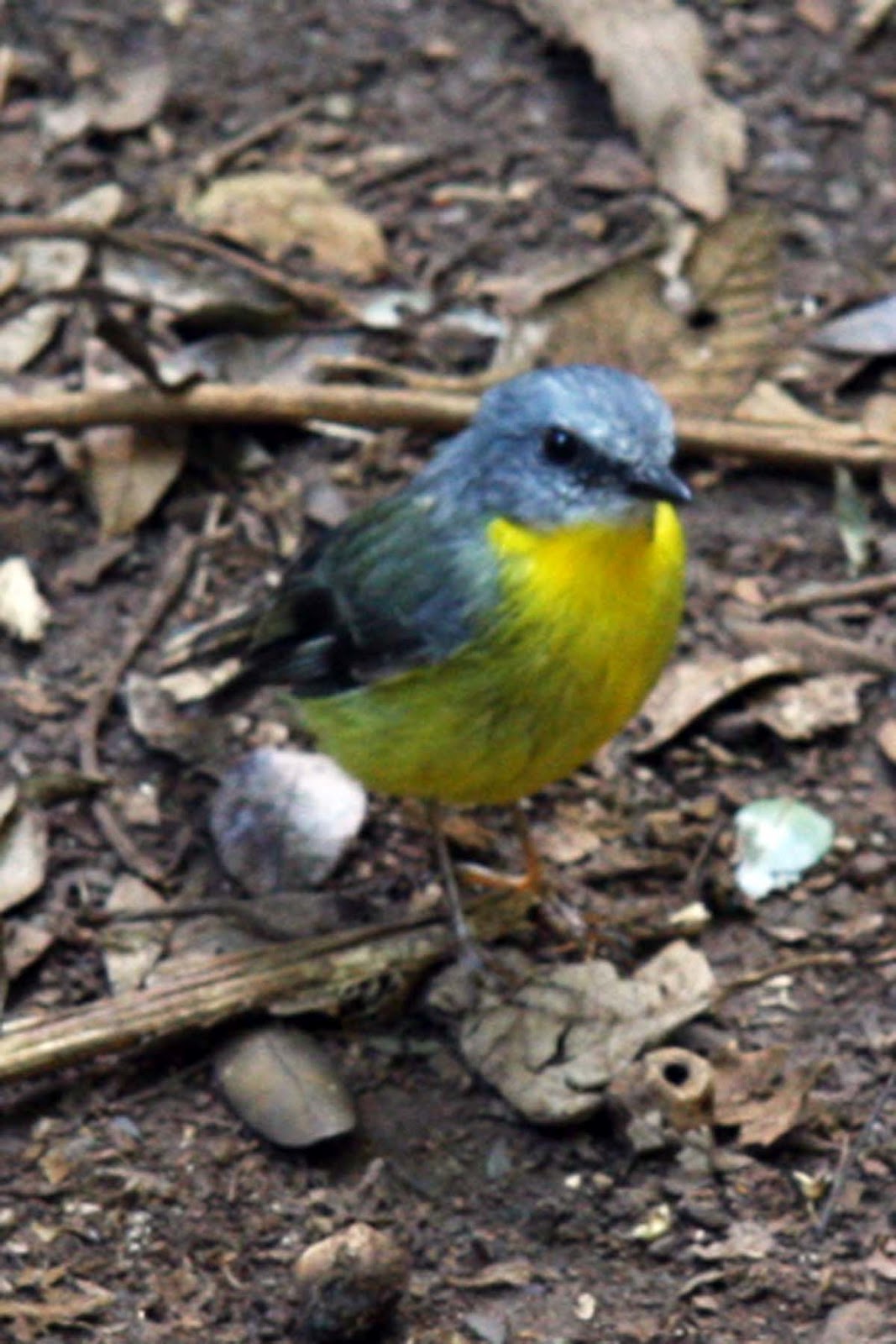
Eastern Yellow Robin

Rare (seen once in the month)

Mallard Duck
Brown Treecreeper
Varied Sitella

And that's a wrap for March.  April is proving to be still, dry and with lots of small birds that are bloody difficult to photograph, but I'll see what I can do.  Cheers!

Sunday, March 4, 2012

Summers end

The Queensland summer ended on March 1st.  Summer in the sub-tropics is supposed to be hot and wet, well I'm not so sure about the hot, but it was certainly wet.  Following on the theme of big rains in January we were flooded in as the river overflowed at the Guanaba Creek Road bridge for three days this month.  In previous years we have been flooded in perhaps once or twice a year, but in 2012 we've been blocked for 8 days already. The upside of all this rain is that the landscape is green and the plants in the garden growing fast, so fast I've had trouble keeping up with the pruning and strimming. As we reached the last days of the month the rains have continued, although with less intensity and now the creeks, normally dry for most of the year, are happily gurgling their way down the hill.

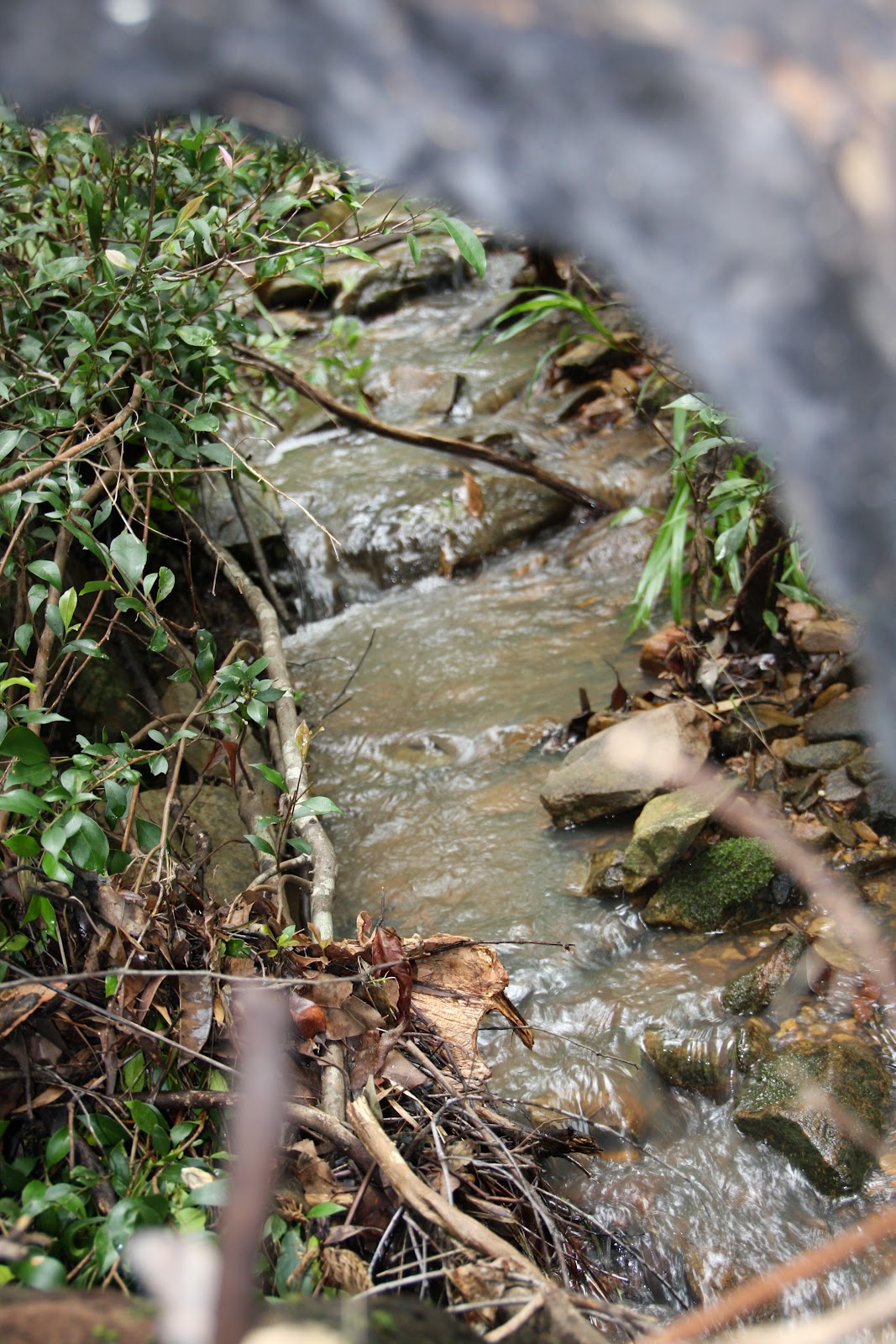
The flowing creek
The hill is full of little rivulets

The creek sides bordered with Walking Stick Palms

With the increased water since the end of the drought one noticeable difference has been the spread of ferns that now fill the lower end of the main creek bed.  With the ferns has come Eastern Whipbirds and now we appear to have at least a pair that have become residents.

The fern fields

Eastern Whipbird


In the main garden the Grevilleas have started to pick up and are attracting a range of Honeyeaters including Scarlet, Brown, White-throated, Yellow-faced and Lewin's. Some of the fruiting bushes are doing well also, although they don't seem to be attracting many frugivores as yet.

Hairy Pittosporum

And now for the monthly bird lists:

Regulars (Seen x5 per week or more)

Australian Black Duck
Australian Wood duck
Bronzewing
Bar-shouldered Dove
Peaceful Dove
Sulphur Crested Cockatoo
Galah
Rainbow Lorikeet
Pale Headed Rosella
Noisy Friarbird
Noisy Friarbird
Torresian Crow
Australian Magpie
Pied Currawong
Laughing Kookaburra
Double-barred Finch
Eastern Whipbird
Forest Kingfisher
Welcome Swallow
Brown Honeyeater
Yellow Faced Honeyeater

Common (Sighted at least x2 per week)

Brown Cuckoo Dove
Figbird
Grey Shrike Thrush
Grey Shrike Thrush in full song

Little Friarbird
Litte Friarbird

Bush Turkey
King Parrot
Spangled Drongo
Noisy Miner
Noisy Miner

Olive-backed Oriole
Scarlet-backed Fairy Wren
Variegated Fairy Wren
 
Uncommon (Seen 2-3 times per month)

 Lewin's Honeyeater
White Throated Honeyeater
White-throated Honeyeater


Willie Wagtail
Weebill
Magpie Lark
Mallard Duck
Little Pied Cormorant
Brown Treecreeper
Scaly-breasted Lorikeet
Wedge-tailed Eagle
Wedge-tailed Eagle


Collared Sparrowhawk
Pacific Baza
Yellow-tailed Black Cockatoo

Rare (seen once in the month)

Eastern Yellow Robin
Easter Yellow Robin

Litte Egret
Whistling Duck
Rainbow Bee-eater
Varied Sitella
White-faced Heron
Yellow-rumped Thornbill

Personally I think that 50+ species in the backyard is pretty good.  OK, my backyard is 19-acres, but the rule is I have to see them from the deck, the drive or around the dam.

In the bush there are a host of smaller plants flowering, you have to look for them but there are some real beauties.

Fan Flower with its single petal

Unidentified Orchid?


And in the garden the Gingers have been blooming, not only gorgeous flowers, but great scents at dusk.

Gingers provided by Neil
As we move towards Autumn hopefully things will dry out a bit more, but with climate change and El Nino's who knows, which is the joy of birding and gardening.

Monday, February 6, 2012

Wet days and Iron Emus


Jan 2012 will have to go down as one of the wetter months in recent times, which has been great for the plants, but less so for the birds.  In an attempt to put together a better picture of the local birdlife I have begun a bird diary.  I try to update it daily and add in things that may affect the birds such as the weather or particular plants coming into bloom.  Birds recorded have to be seen from the deck, the drive or walking around the dam. I don't record anything that isn't visible from within the immediate surroundings of the holt.  So, here's the list for January:

Regulars (Seen x5 days a week or more)

Australian Black Duck
Australian Wood Duck
Plumed Whistling Duck
Galah
Rainbow Lorikeet
Sulphur Crested Cockatoo
Bronzewing
Bar-Shouldered Dove


Peaceful Dove
Forest Kingfisher
Laughing Kookaburra
Double-barred Finch
Torresian Crow
Pied Currawong
Bush Turkey
Welcome Swallow
Grey Shrike Thrush


Common (sighted at least x2 per week
Pale Headed Rosella
King Parrot
Scaly-breasted Lorikeet


Yellow Cheeked Honeyeater
Brown Honeyeater
Friar Bird
Fig Bird
Olive-backed Oriole
Brown Cuckoo Dove
Spangled Drongo
Dollar Bird
Australian Magpie

Uncommon  Seen 2-3 times in the month

Australian Hobby
Scarlet-backed Wren
Eastern Whipbird
Australian Ibis
Noisy Miner
Little Friar Bird
Channel-billed Cuckoo
Pacific Baza
Wedge-tailed Eagle

Rare Seen once during the month

Powerful Owl
White-throated Honeyeater
Weebill

One of the problems that we were having was certain birds, in particular the Sulphur Crested Cockatoos, would eat not only the bird seed, but the bird tables as well!  A solution presented itself at the monthly Mount Tamborine Markets where we found iron 'emus' made from scrap metal and old gas cylinders.  The Emus range in height from 1-2 metres, add a bit of fun to the garden and appear to withstand the best efforts of the parrots, but most importantly, seem to be have been immediately accepted by the birds.


We've also found that at night the Brush-tailed Possums and Tree Rats are using them.


Considering it has been so wet (we've been flooded in for 5 days - record for us) I have been pretty pleased with the numbers of birds seen.  There's probably a lot more that I haven't seen, but the birding is restricted to early mornings before driving into Brisbane and for periods over the weekend. Seasonally speaking although the Eucalypts are in bloom little else in the garden is.  The effect of this is the nectar feeders are up in the tree tops and largely out of sight and at night there are a lot of Fruit Bats around.  Combine this with the flooding out west, which is attracting vast numbers of water birds, and I think we've done pretty well overall.

Friday, November 11, 2011

Dams, ponds and water birds

Lilies on the dam


I believe that a garden without a pond is missing something.  Most of us love water, we enjoy just looking at it, but if it draws in wildlife to the garden then it becomes something special.  Perhaps the smallest pond I have had was in the regency townhouse in Exeter, and that little pond, although only a couple of feet in diametre still managed to house lilies and attract a strong frog population.  In Australia everything can be on a bigger scale and so here we have two dams, the 'Lap swamp' which is about 50m long and 30m wide at its base and the 'New Dam' that is very roughly a 30m triangle, both are around 3m-4m deep.

The Lap Swamp

Although there is a difference is scale, the same general rules apply if you want to have to have a healthy habitat. Ponds/dams work best if they have a blanced eco system and that includes water plants (for airation and flitering), marginal plants (for filtering and wildlife), water bugs (clean up & food for the food chain), fish (to reduce mosquitoes) and shallow areas (for marginals and entry/exit for amphibians).  If you managed to include all these aspects you should be rewarded with a water hole that attracts the wildlife.

The New Dam

I think that mistake a lot of people make when dealing with ponds is that they forget its an active part of the garden and needs tending as much as the flower beds.  Water weeds mustn't be allowed to take over or they can strangle the dam, too many lily leaves can create too much shadow, acidity/alkilinity levels can cause a build up of unsightly algae.  Of course the amount of tending veries on the size of the pond, but generally pond maintenance shouldn't be too time consuming.  Having said that I need to spend 2-3 days a year actually in the New Dam ripping out the Feather Weed before it takes over.  This involves me getting into my stinger suit and wading in, sometimes up to my shoulders, and ripping the weed about by the roots before tossing it up onto the banks.  It  makes great compost and gives me a good workout at the same time.

Wood Duck

Of course, get it right and you will be rewarded with all sorts of visitors.  Once we established the New Dam with weed, lilies and marginals I stocked it with native fish including Yellow Bellies, Silver Brim, and Australian Bass, Blue Crayfish (or Yabbies as they call them here) and Rainbows.  The latter are a minnow sized fish that breed quickly and feast on mosquito larvae, a must for any Australian water feature.

Rainbows come to a chunk of bread

Tadpoles in the shallows

The fish really add something to the dam, and attract the fish eating birds:

A Currawong watching the fish

A Darter drying its wings after a swim

The trick is to have fast breeding fish and to provide cover for them to hide in (lilies e.t.c) so that the fish eaters don't empty the dam.

Pied Cormorant on the Feather Weed

Azure Kingfisher


Whilst the fish eating fish can be very striking the insect eating lily trotters can also be fun to watch.  These birds are often less keen on flying and really appreciate some good thick marginals such as reeds, rushes or irises to hide in.

Irises are attractive marginals


Dusky Moorhen


Purple Swamphen


Straw-necked Ibis

Forest Kingfisher

And then there's the ducks. Our ducks spend feeding times on the New Dam and roosting time on the Lap Swamp.  Most of the year we have Australian Black Duck, Wood Duck and a single male Mallard for added colour, but around Christmas we get Plumed Whistling Duck joining the rafts and they are quite special.

Plumed Whistling Duck with Wood Duck in the background.

A Black Duck displays its scapulars.

And of course in springtime you get babies!

Very baby duck!

So there you have it, a whistle stop tour of the dams at Pardalote Holt.  They do take some work, but the pleasure they return is well worth any effort.

Late afternoon over the New Dam